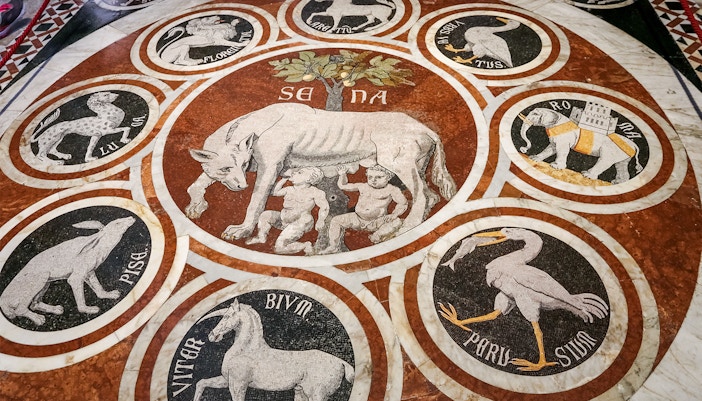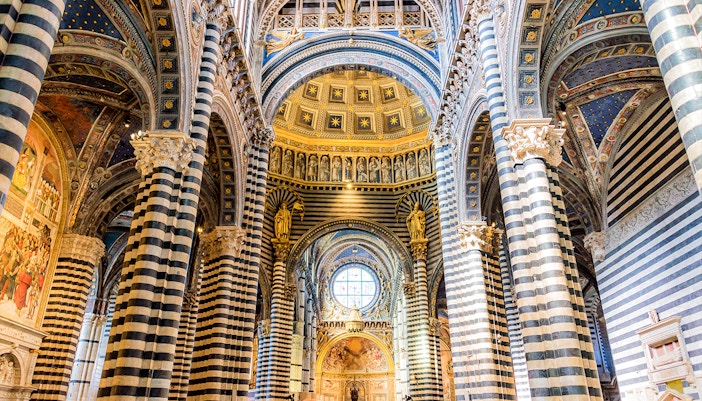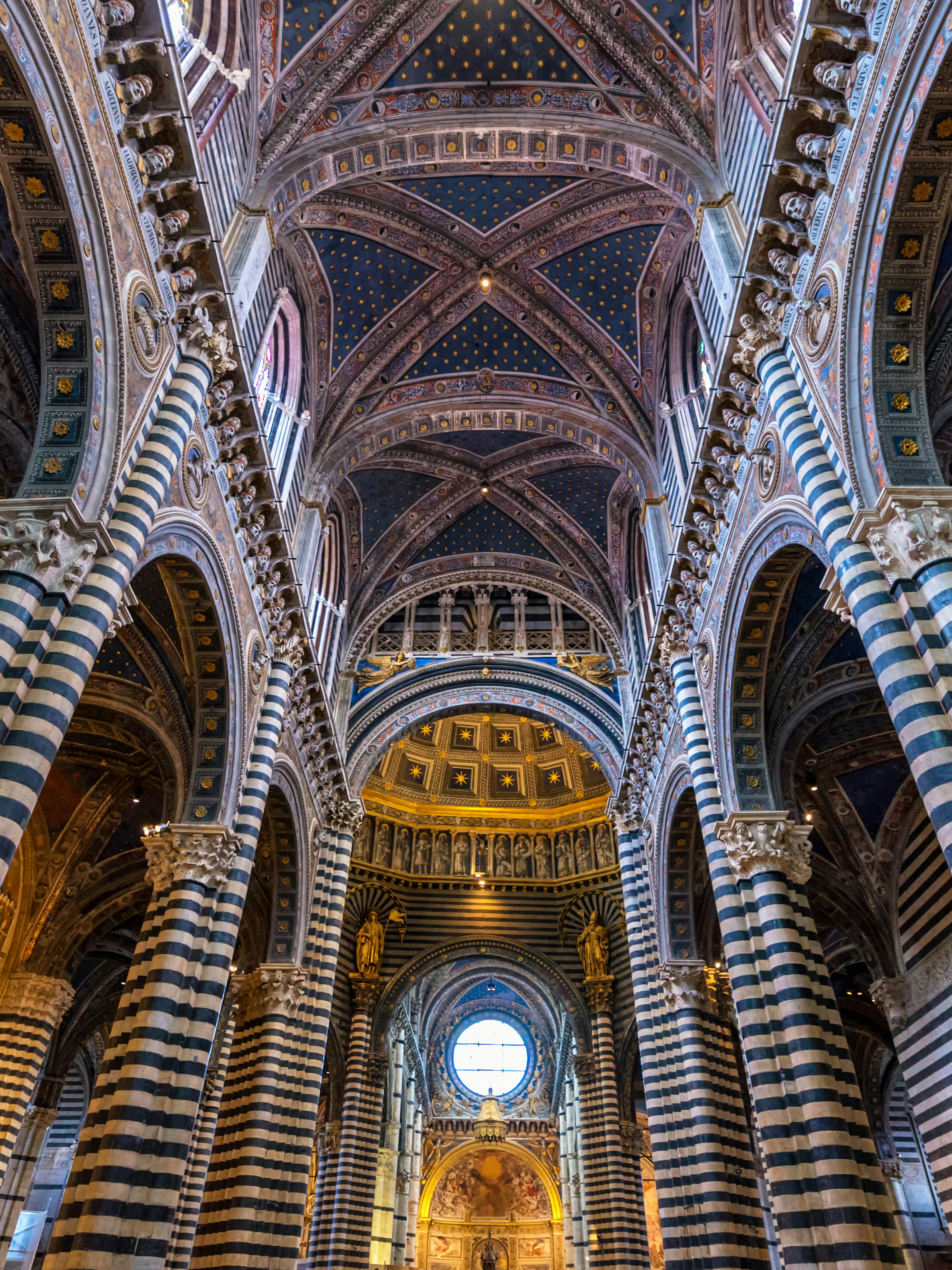
Piccolomini Library | A legacy of art and literature

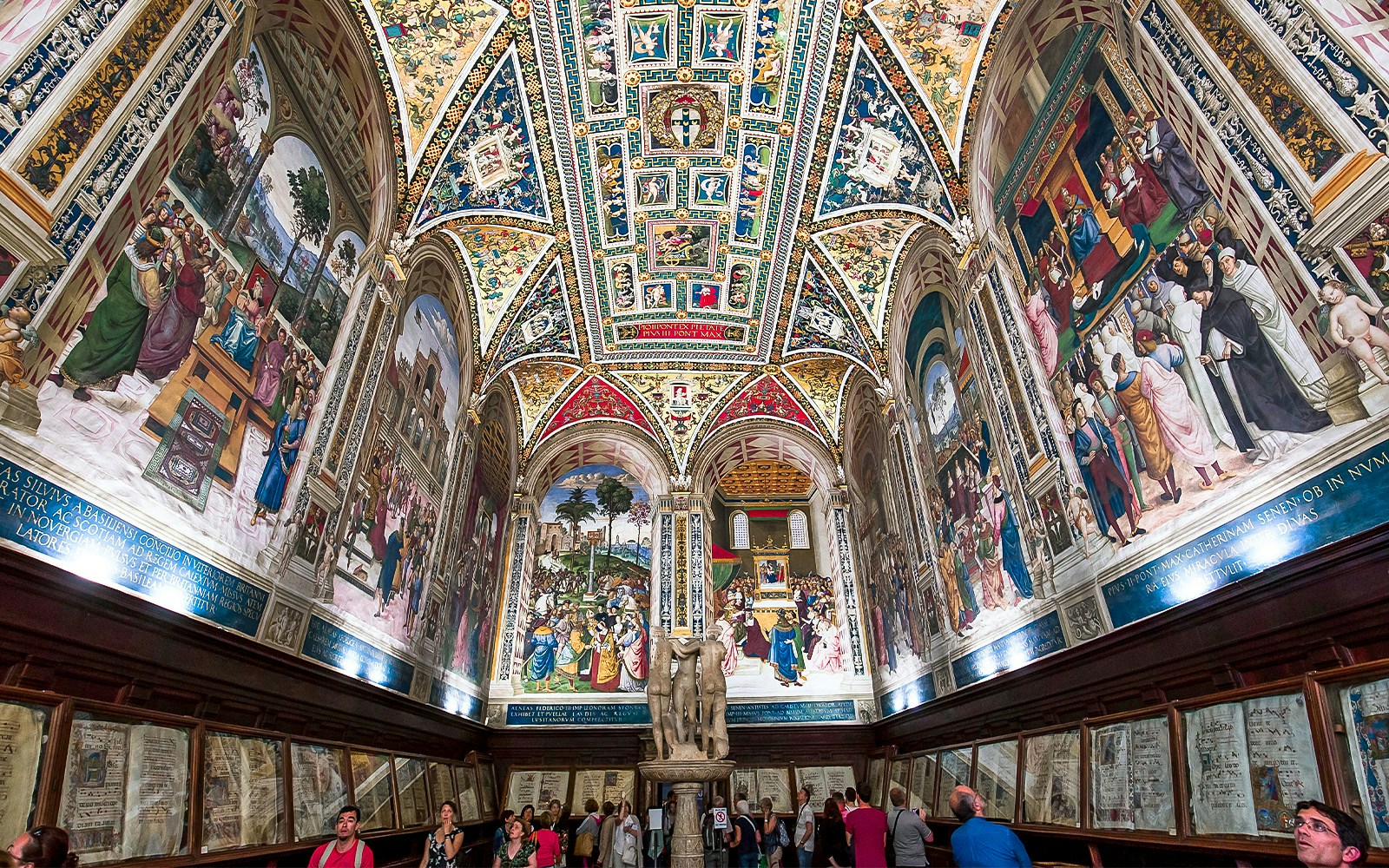
The historic library was built in 1492 by Francesco Todeschini Piccolomini (Pope Pius III) to house the collection of manuscripts of his uncle Aeneas Silvius Piccolomini (Pope Pius II). A cultural landmark in the city, it has animated frescoes on its walls and vaulted ceilings painted by the Umbrian artist Pinturicchio. On display are also rare illuminated manuscripts and codices that holds work of the some of the best Italian illustrators during the 15th century.

How to access Piccolomini Library?

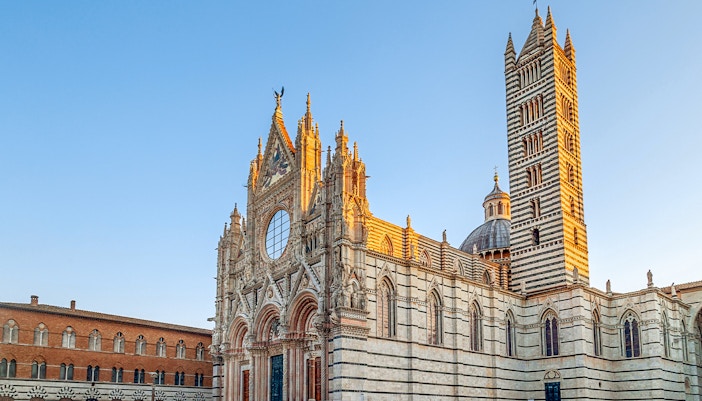
The Piccolomini Library is inside Siena Cathedral. Enter the cathedral and turn left to find it. Admission to Piccolomini Library is included in your cathedral entry tickets. The OPA Si Pass is a popular option, granting access to multiple attractions, including the cathedral, the library, the Baptistry, and the Museo dell'Opera del Duomo. Tickets can be bought online in advance to avoid queues, ensuring a smoother visit.

Piccolomini Library in a nutshell

Piccolomini Library

Construction era: 1492 - 1502
Materials used: Marble and stone
Notable features: Ceiling frescoes by Pinturicchio, manuscripts, and codices.
Current use: Originally designed to house the manuscript collection of Pope Pius II, the Piccolomini Library now serves as a museum space displaying 15th-century literature and art.
Entrance: Included with your cathedral ticket, the Piccolomini Library is located in the left chapel of the cathedral.
Unique facts:

  • The library was commissioned by Francesco Piccolomini Todeschini (later Pope Pius III) as a tribute to his uncle, Enea Silvio Piccolomini (Pope Pius II).
  • Despite its name, the library's primary purpose was to showcase the life and achievements of Pope Pius II through Pinturicchio's frescoes.
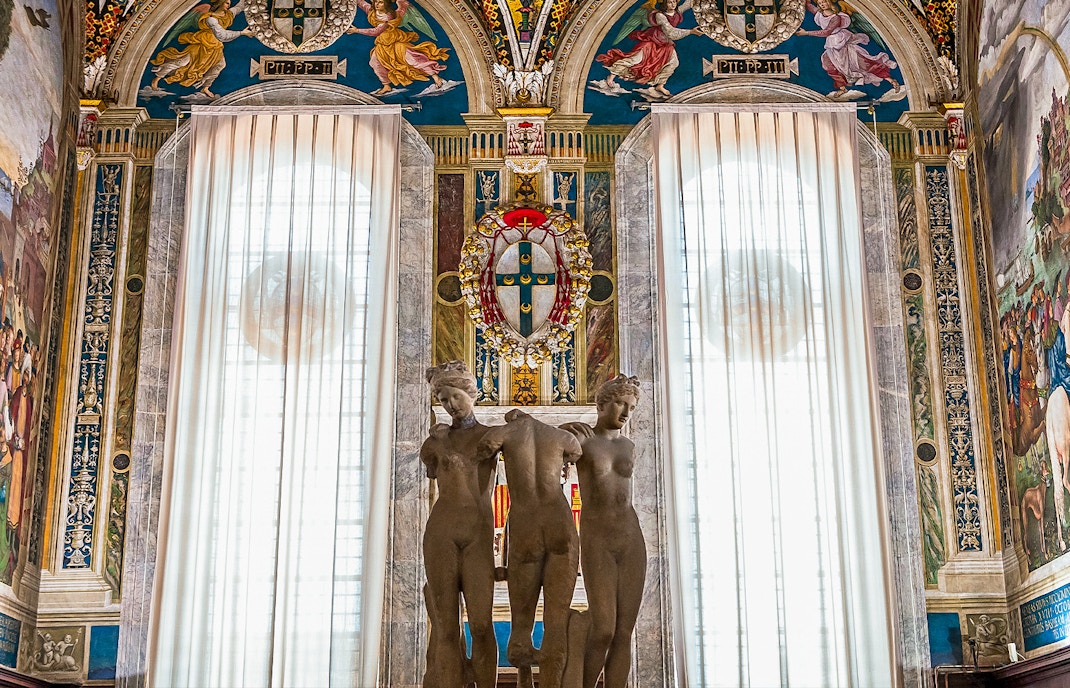
  • Among the library's treasures is a marble sculpture of the Three Graces, a Roman copy of a Hellenistic original.
What are Piccolomini Library opening hours?

From March 1 to November 3, 2024:

  • Daily: 10am – 7pm
  • Public holidays: 1:30pm – 6pm

From November 4 to December 24, 2024:

  • Daily: 10:30am – 5:30pm
  • Public holidays: 1:30pm – 5:30pm

From December 26, 2024, to January 7, 2025:

  • Daily: 10am – 7pm
  • Public holidays: 1:30pm – 5:30pm
  • Eve of public olidays: 10:30am – 5pm

Note: Last admission is 30 minutes before closing time.

Highlights of the Piccolomini Library

The Three Graces

In the center of the library stands the magnificent sculpture of the Three Graces, a 2nd-century copy of the original piece. This nude representation of Zeus's daughters was discovered in the 15th century and purchased by Francesco Todeschini Piccolomini (Pope Pius III), from Cardinal Prospero Colonna in Rome. Despite some objections to the nudity, Pope Pius III's love for art ensured its place in the Piccolomini Library as a celebrated work in a secular room.

The Life of Aeneas Silvius Piccolomini

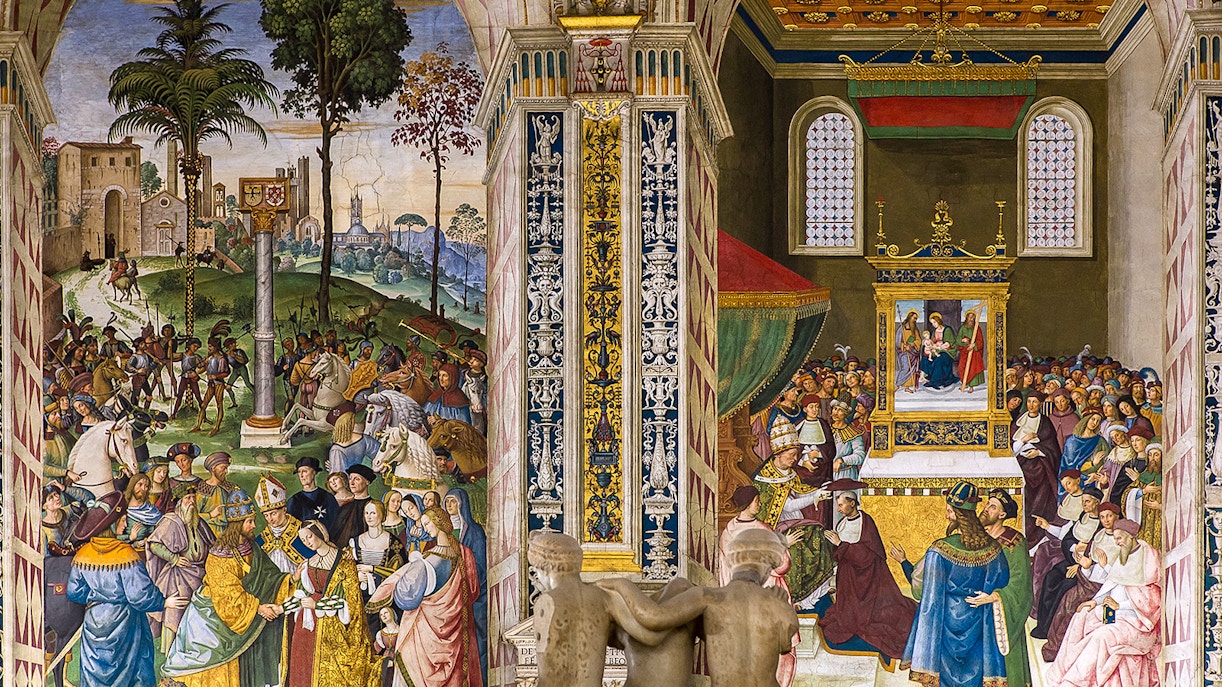
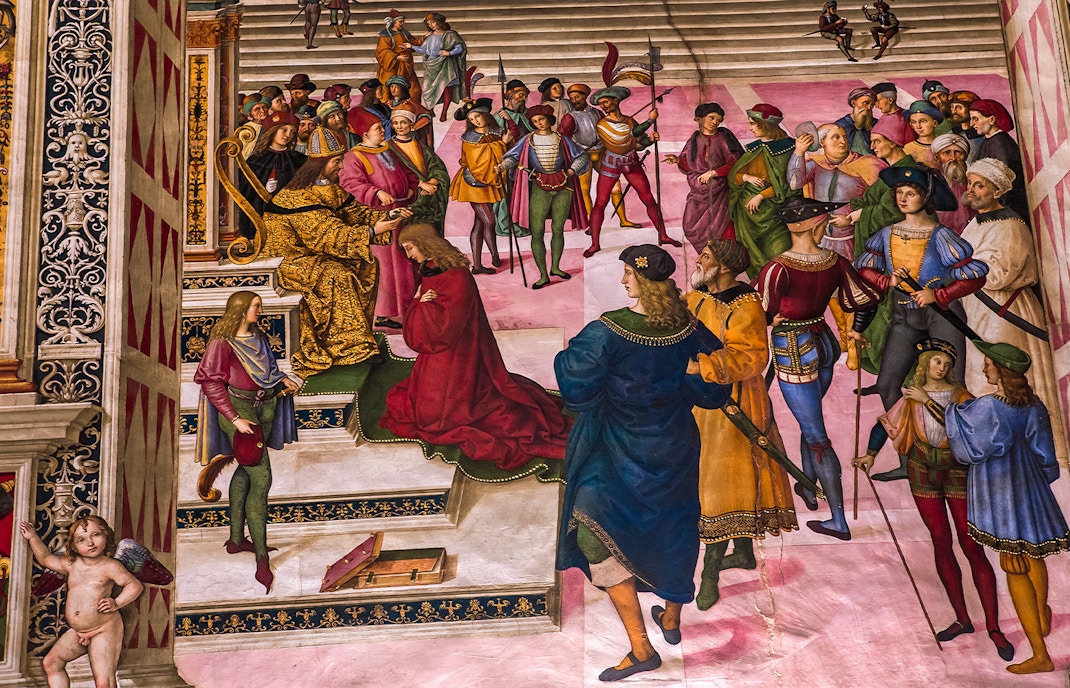
There are ten episodic wall paintings in the Piccolomini Library that depict the life and career of Enea Silvio Bartolomeo Piccolomini, to whom the library is dedicated to. Highlights include his departure for the Council of Basel, his naming as imperial poet by Frederick III, and his elevation to cardinal. The Renaissance-style frescoes, known for their elaborate characters and landscapes, took Pinturicchio seven years to complete, with Raphael, his apprentice, rumored to have modeled for several figures.

Illuminated Codices

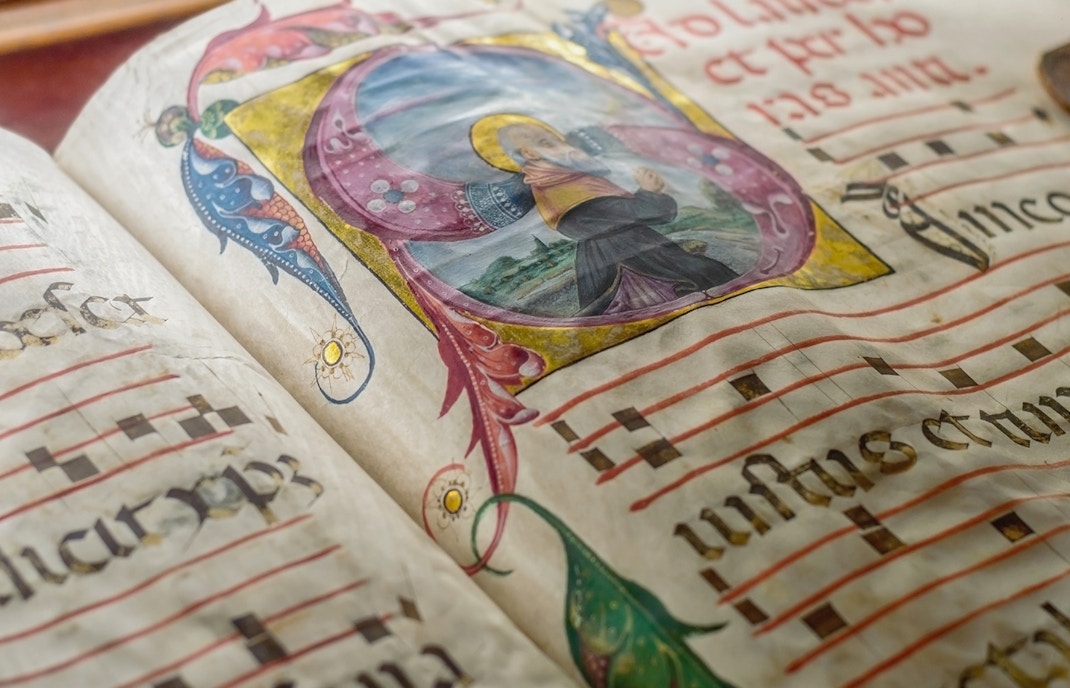
The books of Aeneas Piccolomini were never transferred to the library from Rome. Instead, a collection of 15th-century codices and illuminated manuscripts, including hymnals and liturgical books, was brought over. These works, illustrated by artists like Girolamo da Cremona and Liberale da Verona, along with other Sienese artists, provide an extensive overview of 15th-century manuscript illumination—the art of painting manuscripts (typically made of animal skin) with precious metals like silver, gold, and vibrant colors.

Ceiling Frescoes

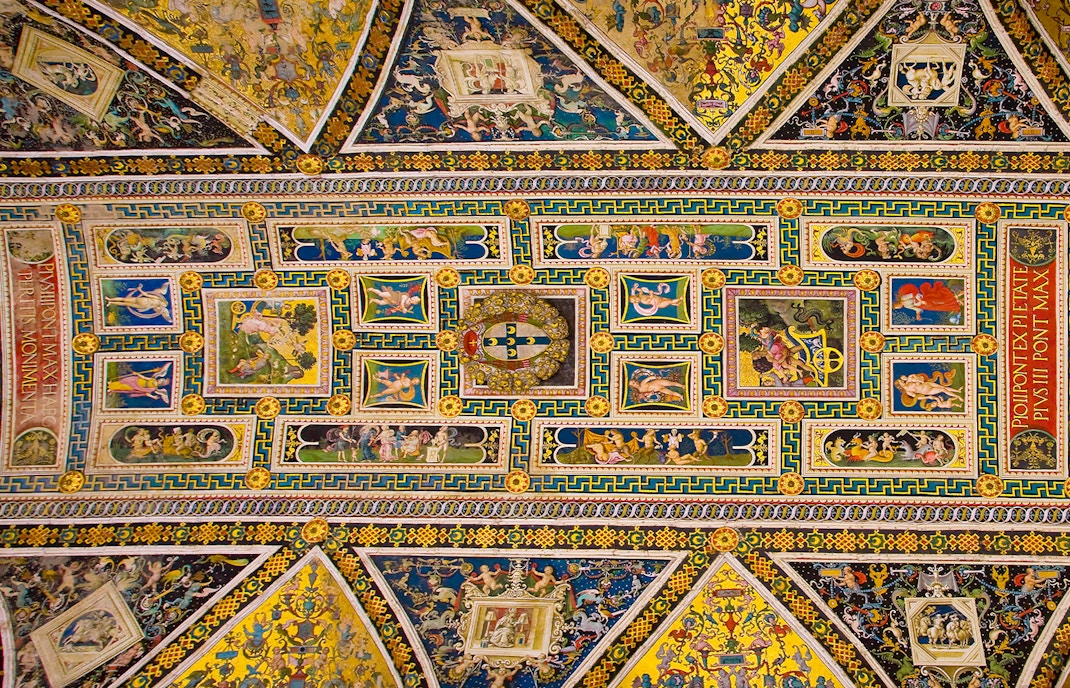
The vaulted ceiling frescoes has intricate Renaissance reinterpretations of classical themes, using Roman mythological figures like satyrs and sea monsters instead of biblical characters. The panels are bordered with detailed patterns and floral motifs. Notable frescoes are Diana Falling in Love with Endymion and The Rape of Proserpina. Above the bronze door leading to the library, don't miss the striking fresco depicting Francesco Todeschini Piccolomini's coronation as Pope Pius III.

Legacy of Piccolomini Library

Piccolomini Library

Aeneas Silvius Piccolomini was born to a noble yet impoverished family in the Republic of Siena in 1405. He became a trusted servant of Emperor Frederick III and a mediator between him and the Papal State. He was rewarded as being made first the Bishop of Siena and then the pope, naming himself Pope Pius II.

While in Rome, Piccolomini, being a humanist and man of great intellectual curiosity put together a formidable collection of books and manuscripts. His nephew Francesco Todeschini Piccolomini, who was first a cardinal and then became a pope himself, decided to erect a library in 1492 to honor his uncle and preserve the collection of manuscripts. His inspiration comes from the French tradition of building libraries attached to Cathedrals.

The frescoes of the library were completed between 1503 and 1508 by the Umbrian painter Bernardino di Betto, better known as Pinturicchio.

Visitor tips

  • The best way to access the Piccolomini Library is to purchase an OPA SI Pass, which includes entry to the entire Siena Cathedral complex. It offers excellent value and allows for extensive exploration.
  • The Piccolomini Library is a treasure trove of intricate details. Take your time to appreciate the smaller elements, like the decorative borders on the frescoes or the intricate wood carvings.
  • The frescoes are rich in symbolism. Research the meaning behind the different images and figures to deepen your appreciation.
  • If possible, try to visit the library during less crowded times. You'll have a better opportunity to appreciate the artwork without distractions.
  • Use your complimentary audio guide to discover fascinating insights about the library's artworks and manuscript collection.
  • Reserve your Siena Cathedral and Piccolomini Library visit online to skip long ticket queues, especially during peak times.

Plan your visit to Siena Cathedral

Frequently asked questions about the Piccolomini Library

The best time to visit the Piccolomini Library to avoid crowds is early in the morning, right after opening hours, or later in the afternoon, close to closing time. Visiting on weekdays during off-peak tourist seasons (spring and fall) also tends to be less crowded.

More reads

Piazza del Duomo

Book Now

The Mosaic Floor

The Interior